Jan Švec | honzas.cz
Menu

# Speech Technology

6 items

All tags

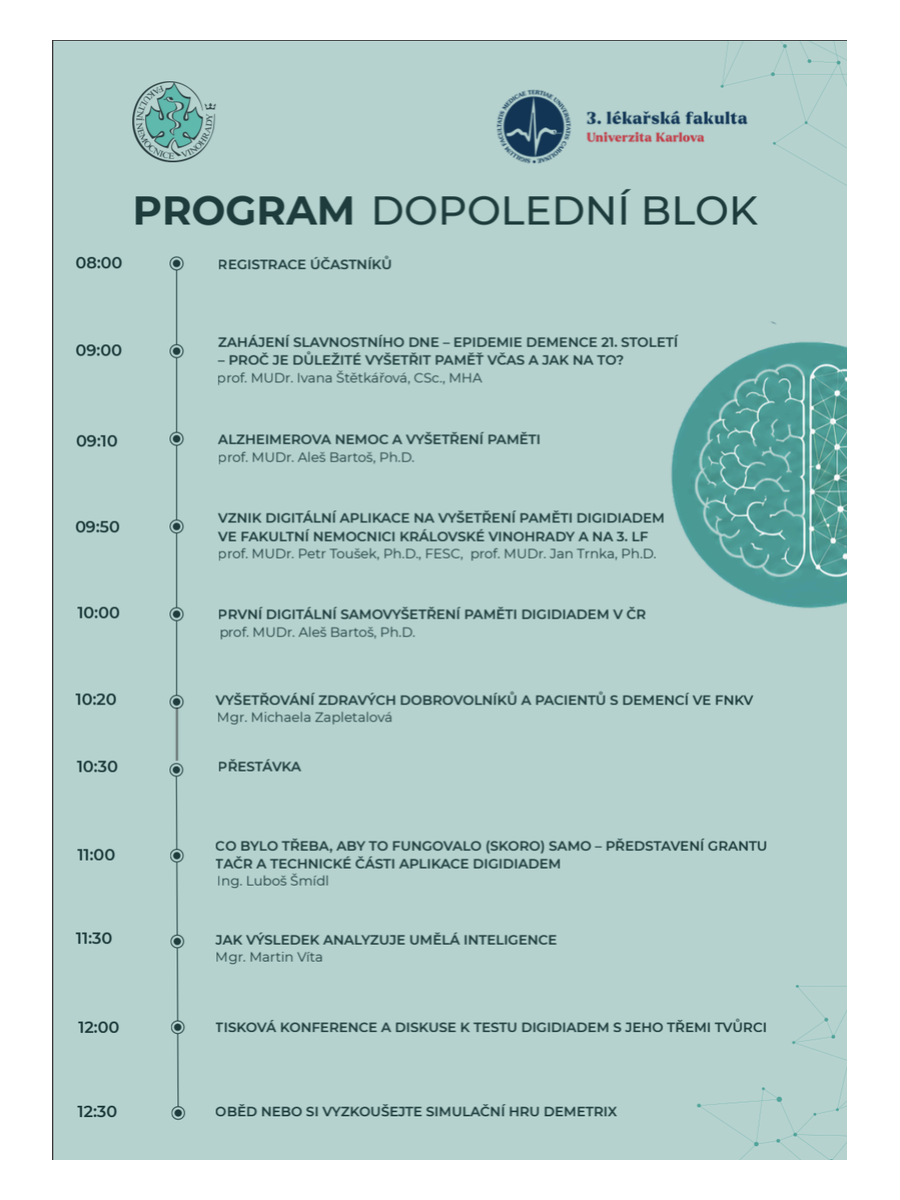
An Unforgettable Memory Day at Vinohrady with DigiDiaDem

June 18, 2026

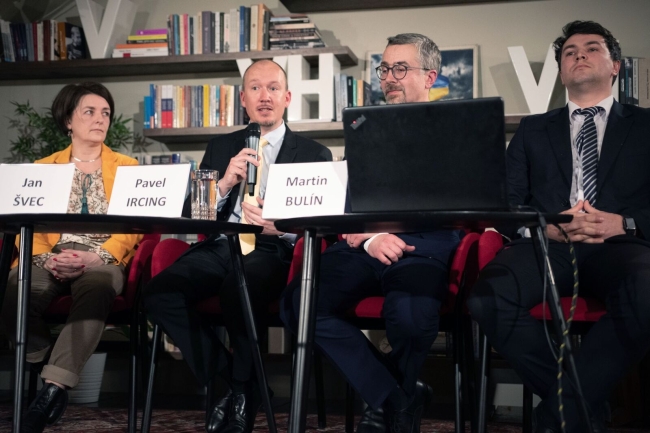
Concern about memory can begin a long search for someone who will connect individual examinations and recommend the right next step. At Nezapomenutelný den paměti na Vinohradech, the DigiDiaDem team used an anonymised story resembling the Czech tale of the Little Hen and the Little Rooster to show how fragmented that journey can become. The case also demonstrated how a short digital prescreening can complement a standard assessment without replacing a clinical diagnosis.

Morning programme of Nezapomenutelný den paměti na Vinohradech with its schedule

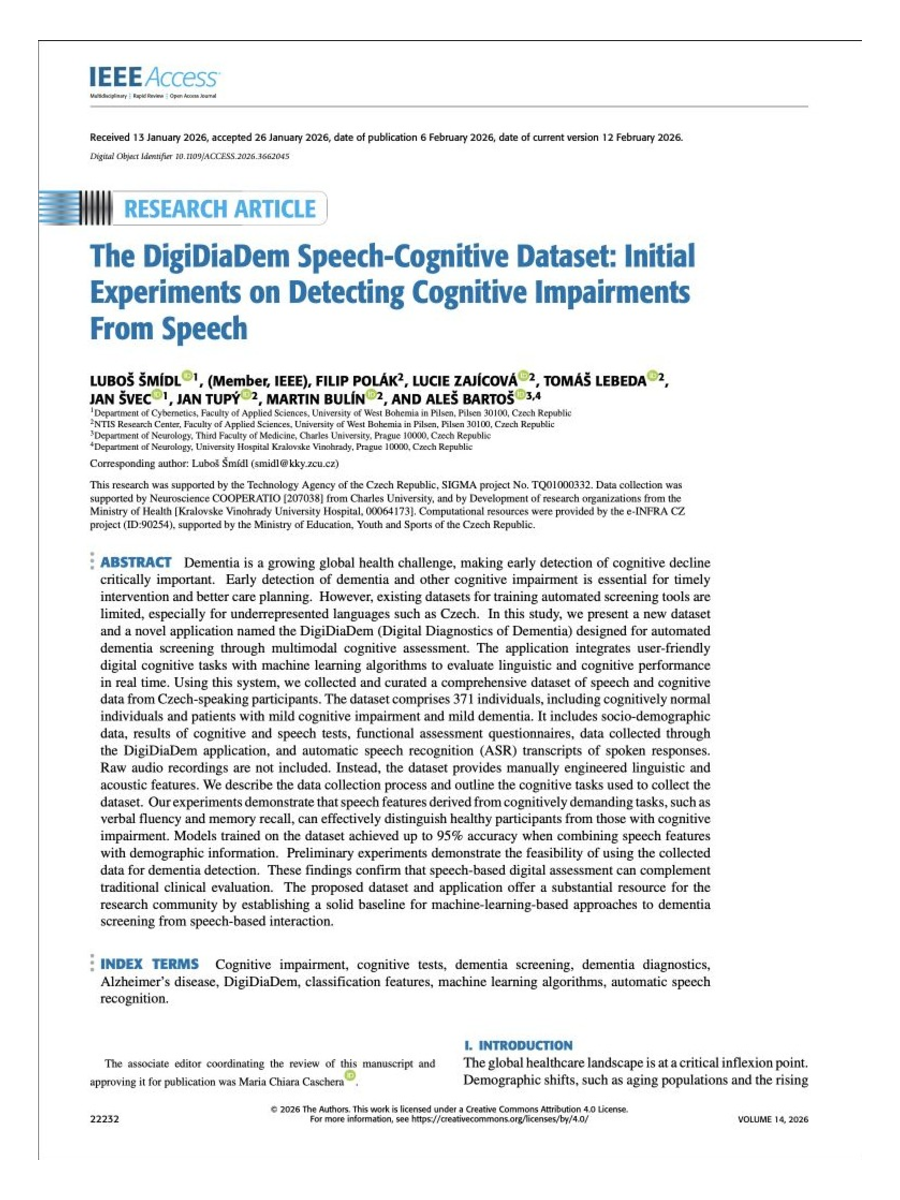
The DigiDiaDem Speech-Cognitive Dataset: Initial Experiments on Detecting Cognitive Impairments From Speech

February 6, 2026

Speech-based research into cognitive impairment needs datasets that connect carefully designed tasks, clinical context and reproducible evaluation. Our IEEE Access article introduces the DigiDiaDem Speech-Cognitive Dataset and the first experiments built on it. The work links dialogue-system design, speech recognition, data preparation and machine-learning evaluation within one research workflow.

Portrait preview of the first page of the DigiDiaDem dataset paper

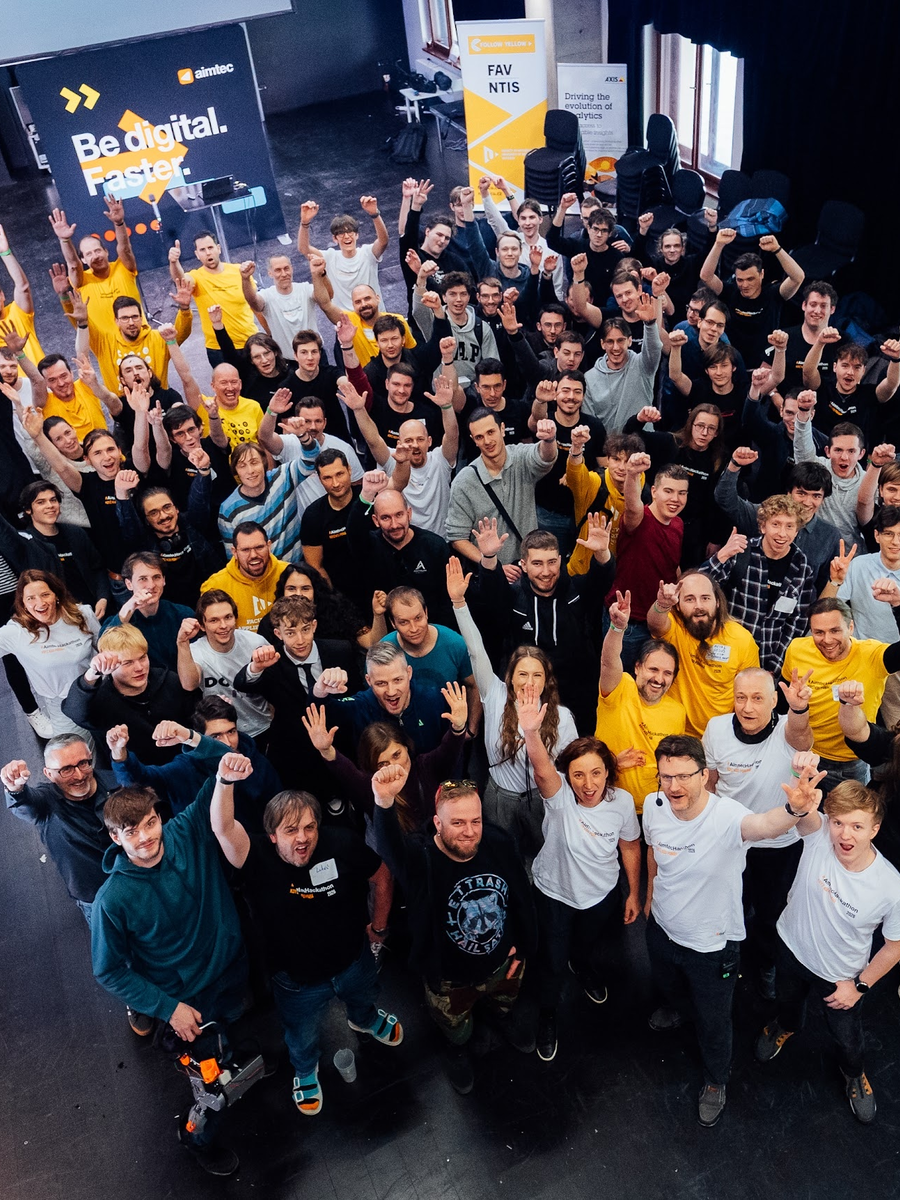
Mentoring at the 10th AimtecHackathon

2026

Hackathons give teams a concentrated space to turn ideas into working prototypes with support from experienced mentors. At the 10th AimtecHackathon in 2026, I again mentored teams working with AI, LLMs, local models, speech recognition and synthesis, language technologies, and Python. The weekend also highlighted the sustained work of Petra Šteklová, Jiří Dobrý, and the Aimtec team in supporting Plzeň's hacker community.

Portrait photograph from AimtecHackathon 2026 showing teams at work as the hackathon timer reaches zero

Teaching in the age of AI: what works and where the limits are

September 1, 2025

Generative AI can turn a lecture into additional learning support, help students practise and give teachers another perspective on their own materials. At AI Monday Pilsen #7 on 1 September 2025, I presented my workflow from a recording and UWebASR transcript to a chronological summary, topics discussed beyond the slides, a glossary and an experimental Custom GPT. The talk also covered practical limitations: input quality, human review, privacy protection and limited feedback about how students use the chatbot.

Portrait preview of the title slide for a presentation about AI in university teaching

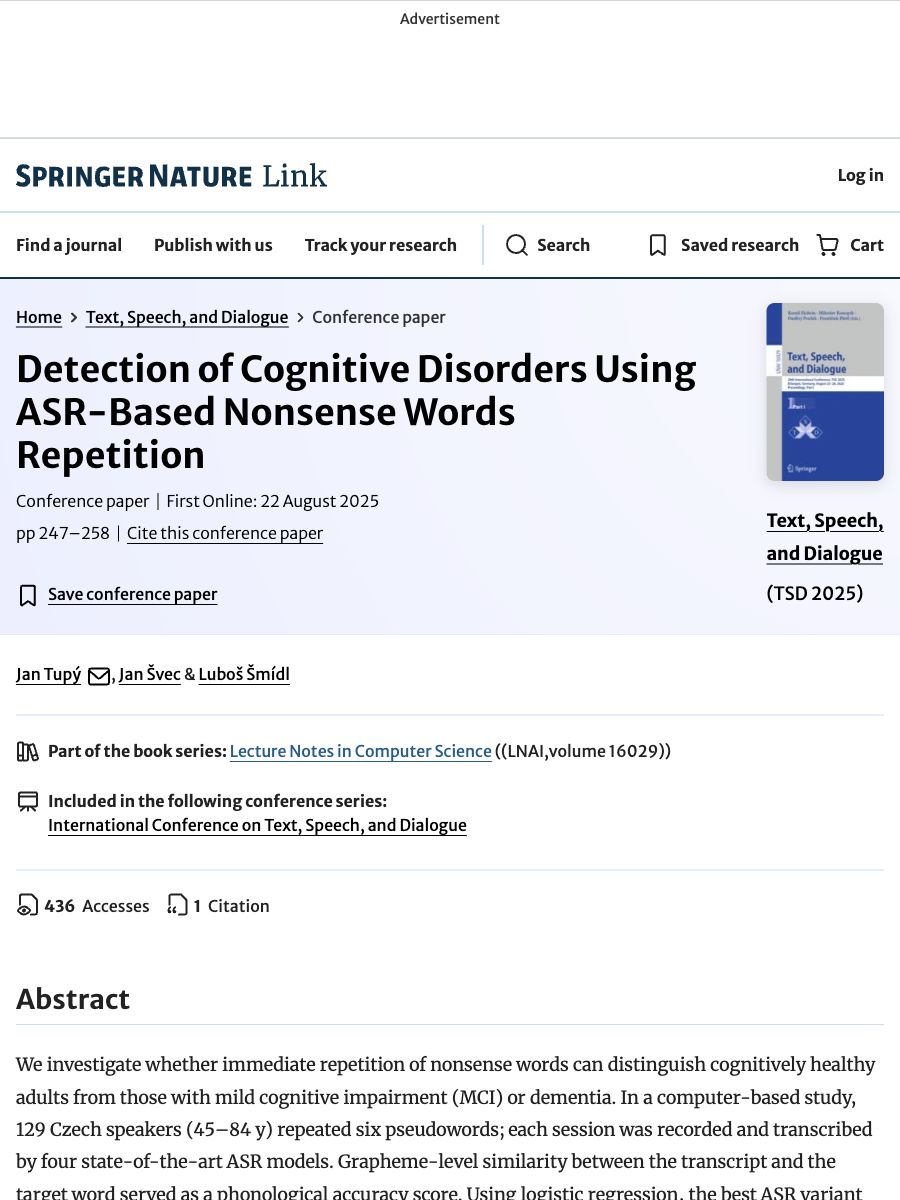
Detection of Cognitive Disorders Using ASR-Based Nonsense Words Repetition

August 22, 2025

Short speech tasks can reveal cognitive changes without requiring a long clinical interview. This paper examines whether automatic speech recognition can evaluate immediate repetition of nonsense words and distinguish healthy participants from people with cognitive impairment. The experiment shows why recognition errors, phonological similarity and the choice of language model all matter when speech technology becomes part of a screening method.

Portrait preview of the nonsense-word repetition paper

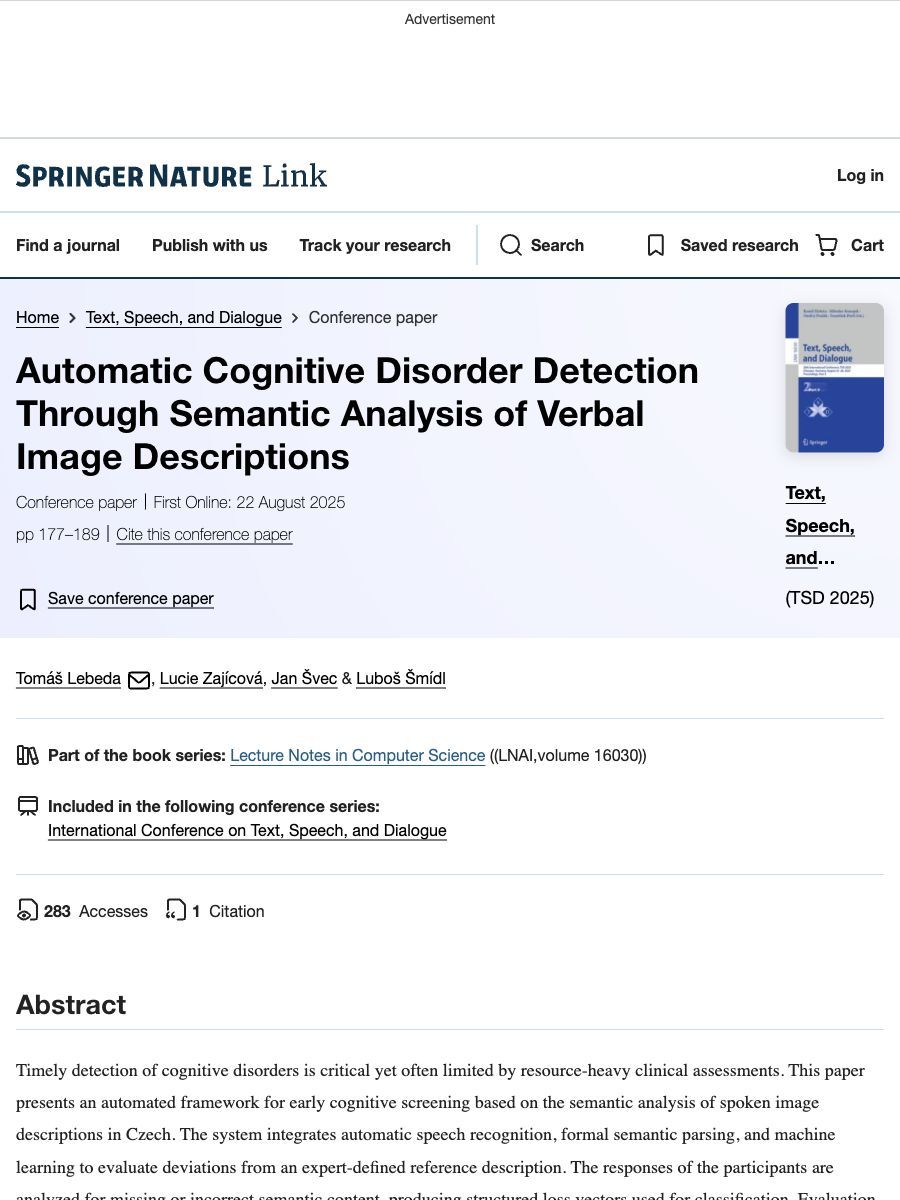
Automatic Cognitive Disorder Detection through Semantic Analysis of Verbal Image Descriptions

August 22, 2025

A spoken image description contains information about more than pronunciation: it also shows which concepts and relations a person notices and how they organise them in language. This paper combines speech recognition, formal semantic analysis and machine learning to compare Czech descriptions with an expert reference. The resulting semantic features offer an interpretable route towards scalable screening for cognitive disorders.

Portrait preview of the semantic image-description paper